Deep Foundations
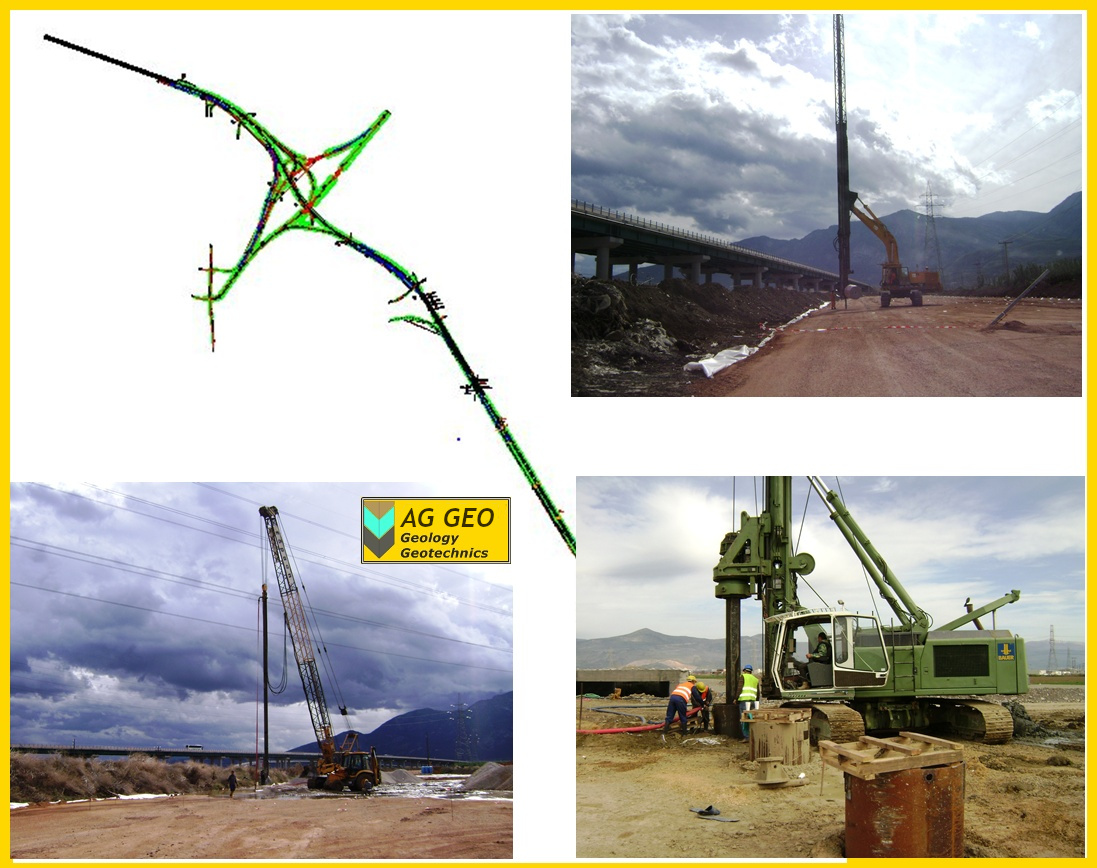
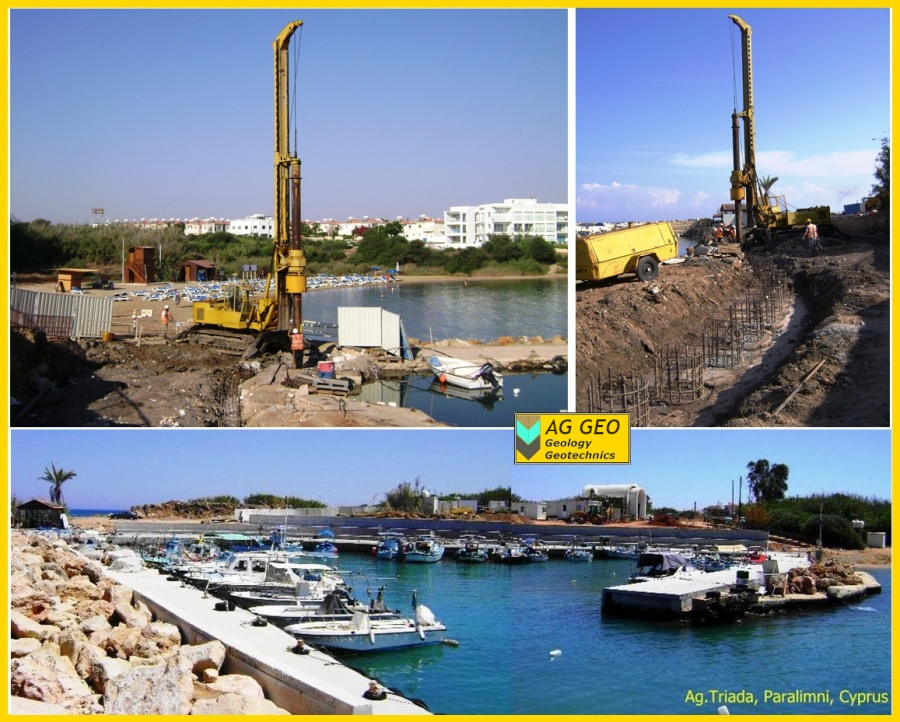
Deep foundations are used for structures when shallow foundations cannot provide adequate capacity due to size and structural limitations. Deep foundations rely on end bearing resistance, frictional resistance along their length or both. They include piles, drilled shafts, caissons, piers and earth stabilized columns.
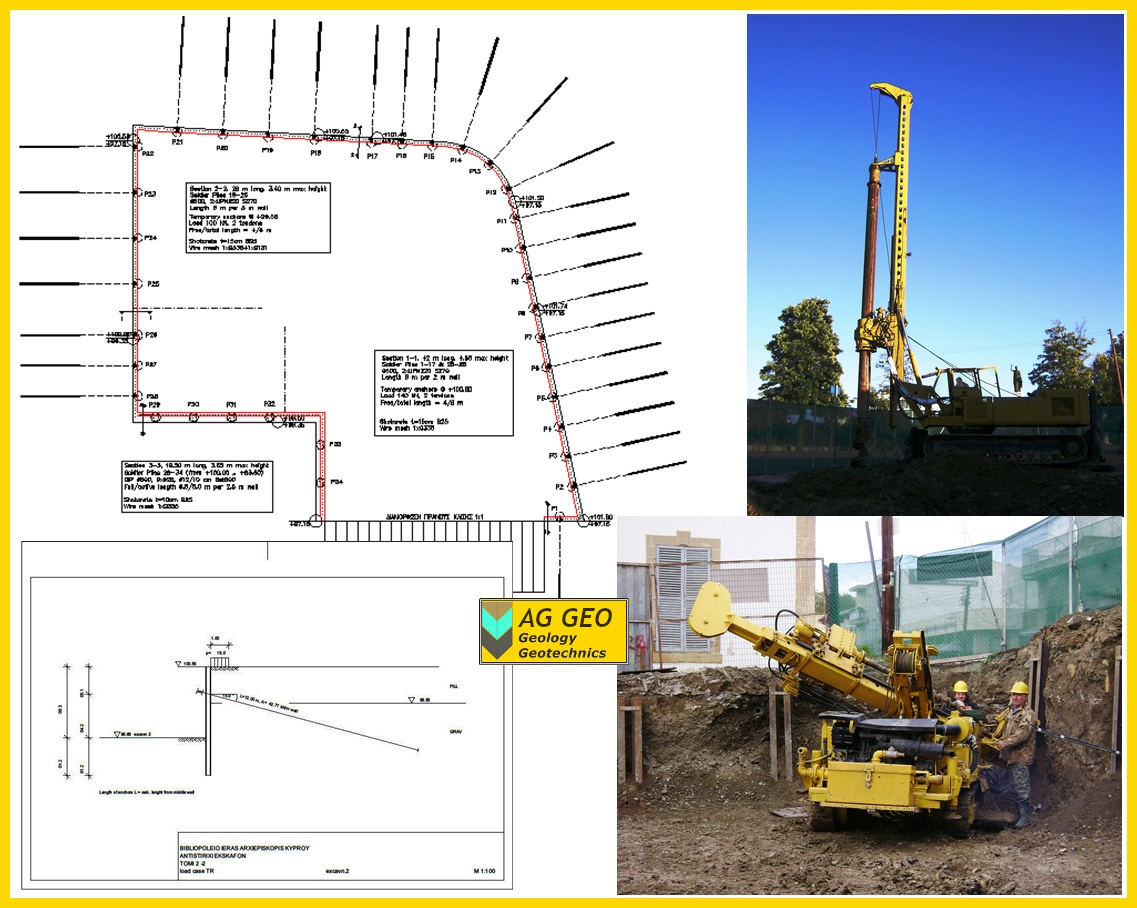
Retaining Walls – Support of Excavations
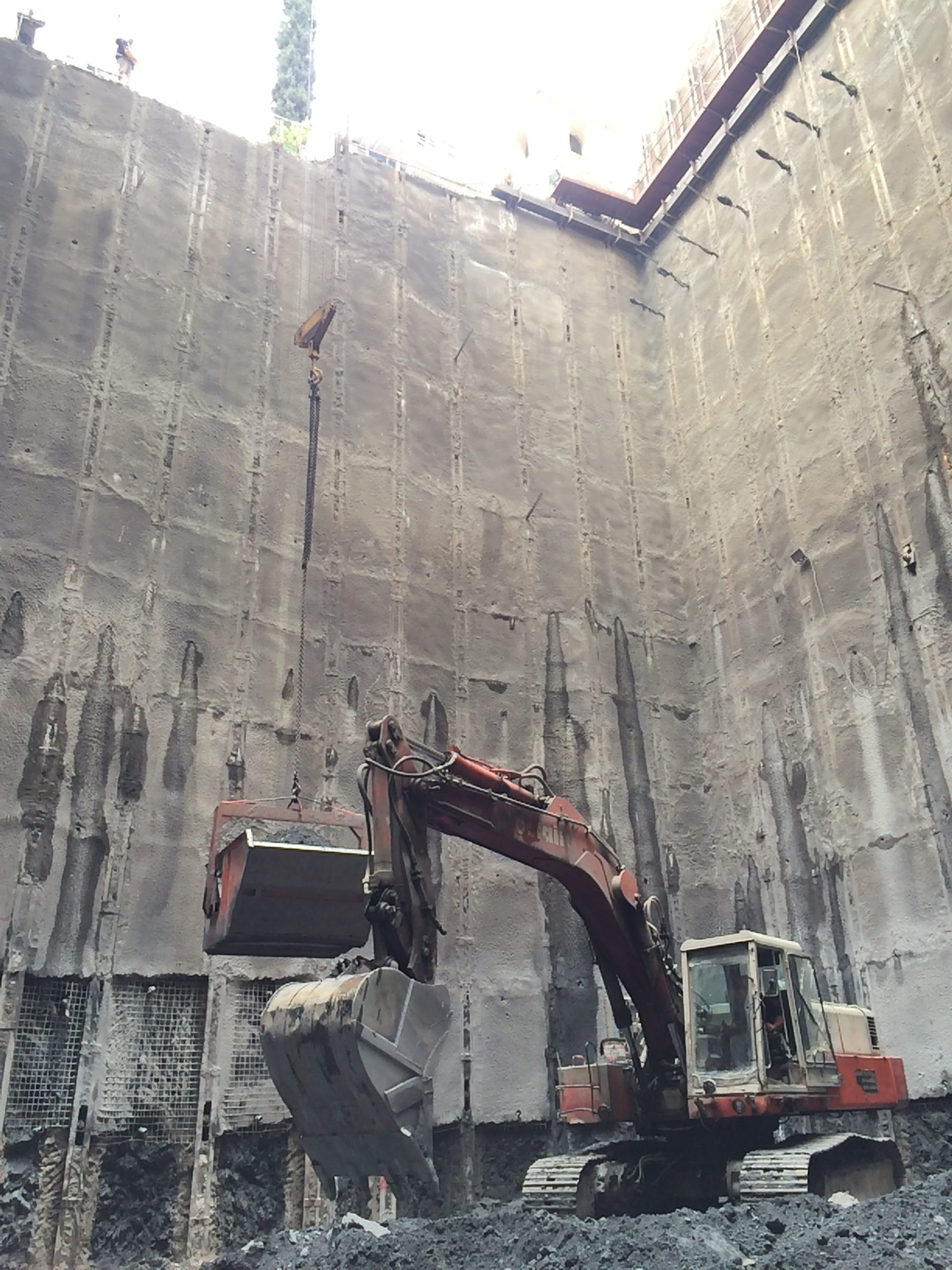
A retaining wall is a structure that holds back earth, stabilize soil and rock from downslope movement or erosion. The retained material is attempting to move forward and downslope mainly due to gravity, so creates wall instability and possible failure.
Ground Improvement
Ground Improvement is a technique that improves the engineering properties of the soil mass. The properties that are modified are shear strength, stiffness and permeability. Properly applied, ground improvement often reduces direct costs and saves time.These techiques include stone columns, grouting, vertical drains etc.
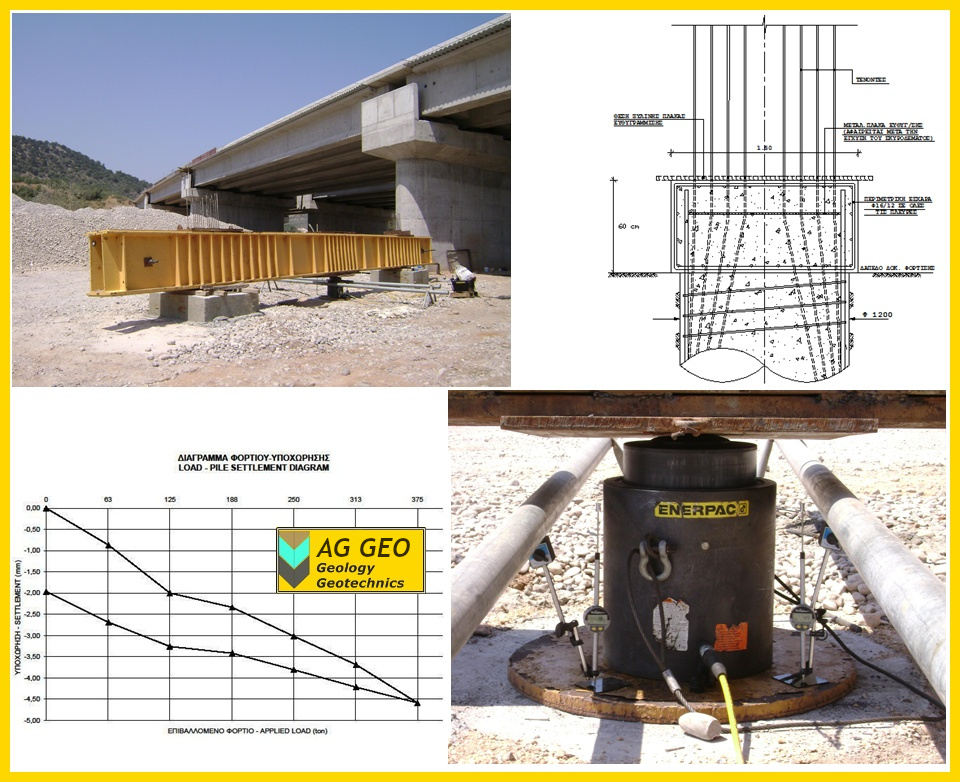
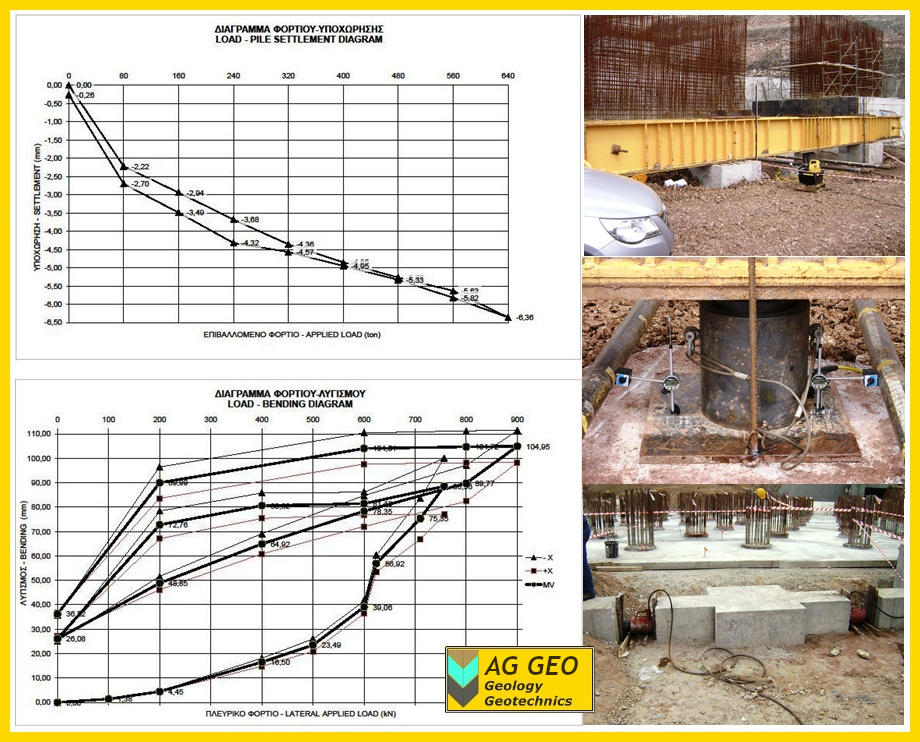
Pile load tests
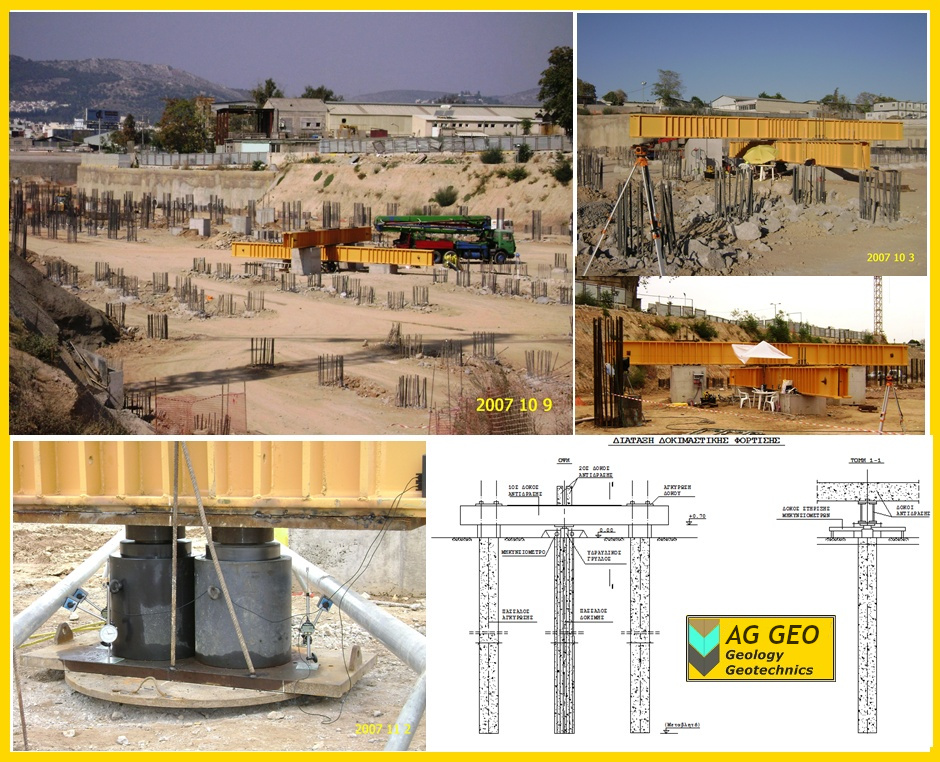
The ultimate strength of each pile must be ranged below the structural and geotechnical limits for a safe foundation to perform as required. A pile load test is a direct method of determining the ultimate geotechnical capacity of the pile. On occasion, static or dynamic pile tests are performed.
Pile integrity checks
The integrity test is an essential part of quality control in either cast-in-place or pre-cast concrete. This is because the possible structural defects from pile installation such as cracks, changes in cross-sections and the like can be detected by the use of this method. It is a non-distructive test method that can evaluate the continuity and consistency of pile material, length, and cross-sectional area. It does not provide any information regarding the pile bearing capacity like the dynamic and static load tests.
Anchor pull tests
Pull tests of anchors included in a retaining wall are done for easuring the performance of the anchor installation, and verify that it will resist the pull out forces.